What Is Mesothelioma?
A neutral overview of mesothelioma, where it develops, how it is classified, and why asbestos exposure remains the central risk factor in most cases.
Mesothelioma is a rare and aggressive cancer that forms in the mesothelium, the thin tissue that lines certain internal organs. It most often develops in the pleura, the lining around the lungs, but it can also arise in the peritoneum, the abdominal lining. Much rarer forms can affect the pericardium or the tissue around the testicles.
Latest federal incidence data show 2,669 new mesothelioma cases in the United States in 2022, which is the most recent year currently available in U.S. Cancer Statistics incidence reporting. Other major cancer references describe mesothelioma as accounting for about 3,000 new diagnoses each year in the United States. CDC
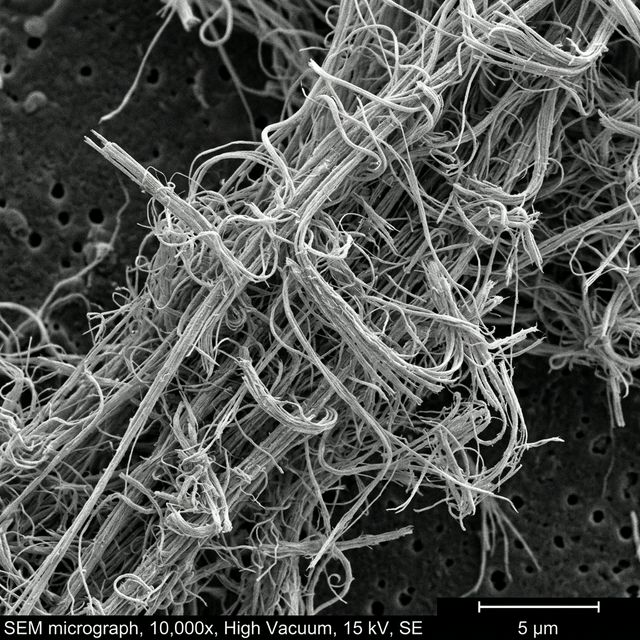
Mesothelioma is strongly associated with asbestos exposure. Major public-health and cancer authorities state that asbestos exposure causes most mesothelioma cases, and the disease often develops only after a long latency period measured in decades.
Because of that delay, mesothelioma still occurs even though asbestos use has declined significantly over time. CDC states that mesothelioma incidence rates have been decreasing as fewer people are exposed to asbestos.
Where Mesothelioma Develops
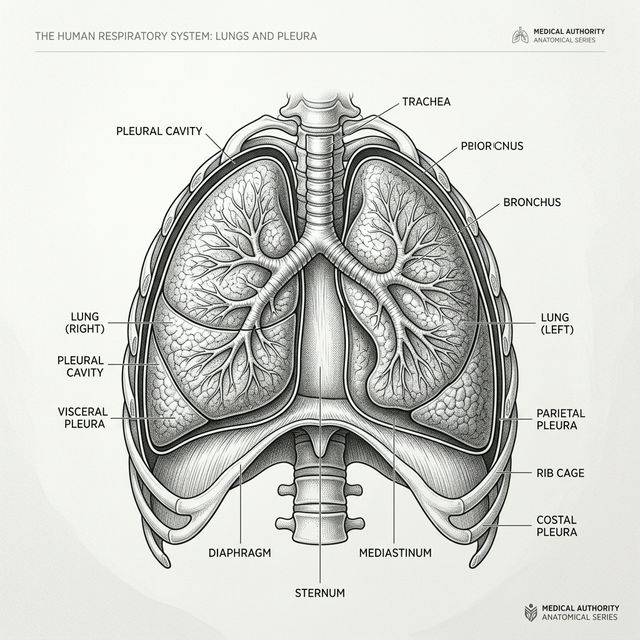
Mesothelioma is usually classified by the part of the body where it begins:
- Pleural mesothelioma develops in the lining around the lungs.
- Peritoneal mesothelioma develops in the lining of the abdomen.
- Pericardial mesothelioma affects the lining around the heart and is rare.
- Testicular mesothelioma affects tissue around the testicles and is also rare.
Pleural mesothelioma accounts for the large majority of cases, while peritoneal mesothelioma is much less common. CDC's current U.S. incidence summary reports that pleural mesothelioma made up 81.0% of malignant mesothelioma cases from 2003 through 2022, while peritoneal mesothelioma accounted for 11.1%.
Why Asbestos Matters
Asbestos is the name for a group of naturally occurring mineral fibers that were widely used in insulation, construction materials, industrial products, and other commercial applications. When asbestos-containing materials are disturbed, tiny fibers can be released and inhaled or swallowed. Those fibers can remain in the body and contribute to disease years later, including mesothelioma. NCI
Long Latency Is Part of the Story
Mesothelioma usually does not appear soon after exposure. Instead, there is often a delay of 20 to 50 years or more between asbestos exposure and diagnosis. That long latency is one reason cases can still appear decades after exposure occurred. American Cancer Society
This delay also contributes to the difficulty of early diagnosis. Symptoms may not appear until the disease is more advanced, and diagnosis generally requires imaging and tissue sampling rather than symptoms alone.
Symptoms and Diagnosis
Symptoms vary depending on where mesothelioma starts.
For pleural mesothelioma, symptoms can include:
- Shortness of breath
- Chest pain
- Pain under the rib cage
- Cough
For peritoneal mesothelioma, symptoms can include:
- Abdominal pain
- Abdominal swelling or fluid buildup
- Nausea
- Unexplained weight loss
Because these symptoms can overlap with many other conditions, doctors usually rely on imaging tests and a biopsy to confirm mesothelioma. American Cancer Society
Treatment at a Glance
Treatment depends on the type and stage of the disease, whether the cancer can be surgically removed, and the patient's overall health. National Cancer Institute treatment guidance notes that care may include surgery, chemotherapy, radiation therapy, immunotherapy, and supportive care, depending on the clinical situation.
Key Takeaway
Mesothelioma is a rare but serious cancer most closely linked to asbestos exposure. Although U.S. incidence rates have declined over time, the disease continues to appear because it often develops decades after exposure. The most common form affects the lining around the lungs, and confirmed diagnosis typically requires both imaging and biopsy.
Sources Verified Data
- CDC — Incidence of Malignant Mesothelioma
- National Cancer Institute — Malignant Mesothelioma Treatment (Patient Version)
- American Cancer Society — Key Statistics for Malignant Mesothelioma
- National Cancer Institute — Asbestos Exposure and Cancer Risk Fact Sheet
- World Health Organization — Asbestos
- American Cancer Society — Signs and Symptoms of Malignant Mesothelioma
- National Cancer Institute — Malignant Mesothelioma Treatment (Health Professional Version)